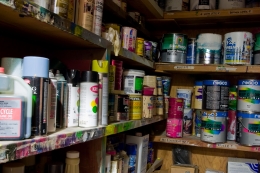
If you can’t avoid using some hazardous products, safe disposal is very important – these materials should NEVER be put in the garbage or down the drain.
To dispose of your household hazardous waste products properly at a sponsored disposal site:
DO:
• Keep hazardous waste products separate (do not mix products).
• Bring products in their original containers when possible (label them if they are not).
• Seal and secure products to prevent leaks and spills.
• Secure the entire load in your vehicle to keep products away from the driver and passengers, i.e., in a trunk, truck bed, or trailer.
• Keep children and pets away from collection sites and events.
DO NOT:
• Exceed 25 gallons or 220 pounds of household hazardous waste per event.
• Bring unlabelled, empty or leaking containers, asbestos, explosives or ammunition, radioactive or infectious waste, or business-generated waste to the collection site.
Although household hazardous waste makes up a smaller percentage of the actual waste stream, it causes a large part of the environmental damage that occurs in waste handling and disposal.
Household hazardous waste are items that can cause damage to health or the environment.
Hazardous Waste consists of :
- Acids
- Adhesives
- Aerosols
- Antifreeze
- Asbestos
- Automotive fluids
- Batteries
- Brake fluid
- Button Cell Batteries
- Car Batteries
- CFLs
- Cleaners
- Cosmetics and Make-up
- Drain
- Fertilizers
- Flea medication
- Fluorescent Light Bulbs and Tubes
- Fungicides
- Gas/Oil Mixture
- Gasoline
- Glues
- Hair Dye
- Hair Spray
- Herbicides/Pesticides/Insecticides
- Lice Shampoo
- Lighter Fluid
- Medications
- Mercury Containing Devices
- Nail Polish Remover
- Oil (new and used)
- Oil Filters
- Oven Cleaner
- Over the Counter Vitamins
- Paint
- Paint Strippers
- Paint Thinners
- Perfumes/Colognes
- Pet Pest Control Products
- Pool Chemicals
- Power steering fluid
- Prescription Drugs
- Propane Cylinders (50kg/100lb maximum)
- Rechargeable
- Scouring Powders
- Sealants
- Sharps (syringes/lancets)
- Stain
- Thermometers
- Thermostats
- Varnish
- Washer fluid
- And other similar materials
Household hazardous waste is sometimes disposed of improperly by individuals pouring wastes down the drain, on the ground, into storm sewers, or putting them out with the garbage. The best strategy for us is to avoid hazardous materials if possible.
Here is some information from the United States Environmental Protection Agency on Hazardous Waste: http://www.epa.gov/epaoswer/non-hw/househld/hhw.htm
And some from Canada: /www.atl.ec.gc.ca/udo/put.html