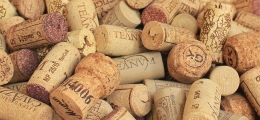
Cork shouldn't end up as landfill. If you can't use them, others might take them.
Cork, a natural resource, comes from the cork oak’s bark (Quercus suber) Trees do not have to be cut down to harvest it, so over a period of years it regenerates. The trees live up to two centuries. Because of its impermeable, buoyant, elastic, and fire retardant properties, it is used in a variety of products, the most common of which is wine stoppers.
As a sustainable product it's use should be encouraged. Cork is the most environmentally friendly wine stopper in comparison to other alternatives.
Wine corks cannot be reused as wine corks because of bacterial concerns, but they can be recycled into many other useful objects such as pushpin corkboards, coasters and flooring. Cork flooring is becoming a popular option.
Other uses for cork are bulletin boards, fishing floats, flooring, insulation, shoes and other industrial products.
To keep cork from becoming landfill try some of the ideas found here: http://www.wisebread.com/25-things-to-do-with-used-corks-including-making-money-with-them
Or to make a little money with corks see how here: http://moneypantry.com/recycling-wine-corks-for-cash/
A good way to keep plants moist blend corks in a blender until small chucks form. Spread them on your landscaping (or in your houseplants), they will help retain water. But don't use plastic or rubber corks.
You’ll find plenty of original and clever ideas here: http://www.homemadehomeideas.com/34-amazing-wine-cork-crafts