Recyclopedia helps you find information on how to correctly dispose of unwanted items and materials. Please select the item or material you want to dispose of below. We'll tell you whether it can go out with the trash, in your recycling, to a charity, or if it needs special attention.
Each community has it's own Recyclopedia section. Please type an address or move the red pin to set your location and we'll find your community - or choose your community from the list below the map.
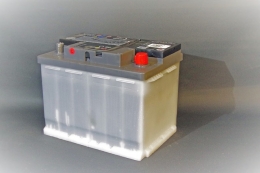
These are accepted at designated areas at the Snohomish County Recycling & Transfer Stations and Drop Boxes free of charge for residential customers . There is a limit of 3 per customer, per day (Larger quantities of automotive items are accepted at the Household Hazardous Waste Facility). Wear heavy rubber gloves and goggles when handling spent batteries. Most sites will not handle cracked or leaking batteries. These should be placed in a sturdy, acid-resistant, leak-proof container and taken to a household hazardous waste facility.
Stores that sell auto batteries often accept lead acid batteries for recycling as well.
When these batteries are recycled, they are reprocessed to reclaim the lead, sulfuric acid and plastic casings, which saves taking new resources from the earth.
To prepare for recycling. Remove the battery from the vehicle; and place it in a cardboard or plastic box for easy handling and to keep the acid away from your clothing and skin. Do not store batteries outside in the rain.
Each community has it's own Recyclopedia section. Please type an address or move the red pin to set your location and we'll find your community - or choose your community from the list below the map.