Recyclopedia helps you find information on how to correctly dispose of unwanted items and materials. Please select the item or material you want to dispose of below. We'll tell you whether it can go out with the trash, in your recycling, to a charity, or if it needs special attention.
Sponsors
Zero Waste Newsletter
Sign up for our Zero Waste Newsletter.
Each community has it's own Recyclopedia section. Please type an address or move the red pin to set your location and we'll find your community - or choose your community from the list below the map.
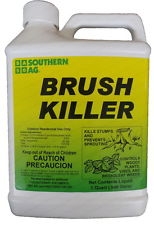
These products, if not used up completely, should be taken to a Hazardous Waste depot for proper disposal.
Fungicides, Germicides, Herbicides, Insecticides, Miticides, and Rodenticides are all Pesticides that are treated as hazardous waste.
Pesticides are designed to kill fungi, germs, weeds/plants, insects, mites, and rodents. Using pesticides may be necessary at times, but in many cases there are alternatives that are effective and less harmful to public health and the environment.
If you choose to use a pesticide be aware that a number of pesticides that were once legal to use are now banned or restricted from household use.
Some of the pesticides you should NOT use are: Aldrin, Chlordane, Cyanide, DBCP, DDT, Diazinon, Dieldrin, Heptachlor, Kepone, Lindane, Mirex, Silvex, 2,4,5,-T, Toxaphene, Arsenates, Sodium Arsenite, Creosote, and Pentachlorophenol (PCP).
There are many strategies for controlling house pests, these strategies include barriers (to prevent pests from entering a home), traps (to collect pests that have entered a home), biological controls (attracting beneficial predator and parasitic insects) and the use of non-toxic or less toxic alternatives to pesticides.
Each community has it's own Recyclopedia section. Please type an address or move the red pin to set your location and we'll find your community - or choose your community from the list below the map.